

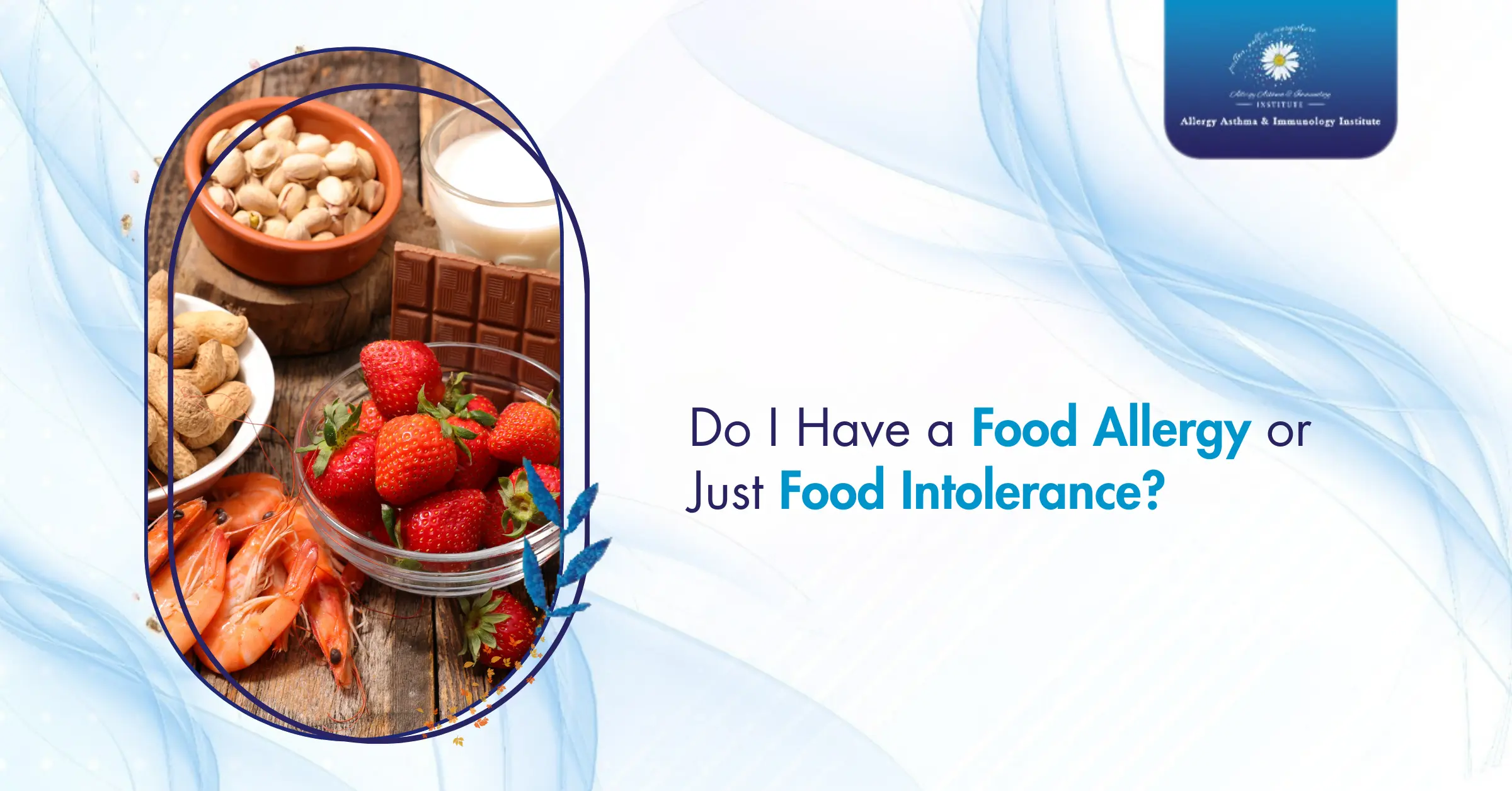
Food problems can be frightening. You might not know whether your stomach aches, your nose is runny, or your skin itches, or if it’s a food allergy or intolerance. We are here to help. We treat cases of allergies, asthma, food allergies, eczema, eosinophilic esophagitis, and sinus infections. Our goal is to help you feel safe and relaxed. We explain things clearly to help you understand.
Meet Laura Ispas, M.D
Our doctor has extensive experience. She cares for kids and adults. She identifies the causes of problems and assists individuals in keeping fit. She can also help if you experience a sudden food intolerance in adults.
What Is a Food Allergy?
A food allergy is a strong reaction from the body. The body thinks a safe food is a germ. The body fights the food. This fight can make the skin, tummy, or breathing stop working right. A red bump or an itchy spot is a common food allergy sign.
Allergy signs can start fast. They may happen within minutes or in an hour. Signs can be:
- Itchy or red skin
- Swelling of the lips, face, or throat
- Trouble breathing or wheeze
- Hives (bumps on the skin)
- Nausea, vomiting, or abdominal pain
- Feeling faint or dizzy
Some allergies are tiny and just itchy. Some are big and need quick help. A bad allergy can be life-threatening. That is why we take allergies very seriously. Sometimes a person may have a gluten and dairy allergy that needs a doctor’s care.
What Is a Food Intolerance?
Food intolerance is not an immune fight. It is when the body cannot handle a food well. The immune system is not activated by the body. Instead, the food irritates the tummy or the body cannot digest it.
Common intolerance signs are:
- Tummy ache
- Gas
- Bloating
- Loose stools or diarrhea
- Food intolerance, fatigue or feeling very tired
These usually come a few hours after eating. They do not make your throat swell or cause breathing trouble.
How They Are Different
Allergy:
- Starts fast (minutes to an hour).
- Uses the immune system.
- Can affect breathing and be life threatening.
- Often needs a test from a doctor.
Intolerance:
- Starts slower (hours). You may ask how long do symptoms of food intolerance last; they usually fade once the food leaves your system.
- Usually only affects the tummy.
- Is not life threatening.
- Sometimes gets better with diet changes.
How Can You Tell?
Watch how fast the signs start. If things happen fast and involve the skin or breathing, this may be an allergy. If the signs are only belly problems and come later, it may be an intolerance.
Record your meals and your emotional responses. This helps you and the doctor see a pattern.
What Tests Do We Use?
We look at your story first. We ask about foods, signs and when they start. Then we may do tests.
We use skin tests or blood tests to look for allergy markers. These tests help find if the immune system sees a food as a germ. For some children or adults, we may do a careful food challenge. This is done in the clinic. We watch the person closely while they eat small amounts of the food.
For intolerance, there are other checks. Sometimes the doctor asks you to stop a food for a while. If your signs get better, the food may be the cause.
When To Call Us
Call us right away if:
- Your child or you have trouble breathing after eating.
- The face or throat looks swollen.
- You feel dizzy or faint.
- Many red bumps or hives appear quickly.
If the signs are only tummy pain or gas, still call us. We can help you find the cause.
How We Help at Allergy Asthma & Immunology Institute
We explain things in a calm way. We make a plan that fits your life. Our team acts as food intolerance specialists to find the right answers for you. Our care may include:
- Tests to find allergies.
- Education on how to avoid trigger foods.
- Prescriptions for medicines when needed.
- Teaching how to use emergency medicine if needed.
- Help with eczema or asthma that can happen with food allergies.
We make sure you know what to do at home and at school. We help parents and kids feel safe.
Simple Tips for Families
- Read food labels. Look for the food name on the package.
- Maintain a food journal. Record your meals and your emotions.
- Instruct educators and relatives on how to respond during an emergency.
- Carry allergy medicine if your doctor tells you to.
- Ask your doctor about low allergen foods that are safe for your family to enjoy.
- Start with small dietary changes if your doctor recommends them. Avoid eliminating multiple foods on your own.
Final Thoughts
It can be hard to know if a problem is an allergy or an intolerance. Allergy Asthma & Immunology Institute are here to listen and to test when needed. We want you to live well and eat with less worry. Our team will keep things simple and kind. We will design a plan that aligns with your preferences.
FAQs
Should I stop a food right away if I think it causes a problem?
If breathing or swelling happens, stop and get help right away. For tummy problems, talk to us first. We can guide you safely.
How do you keep kids safe at school?
We give a clear plan for school. We can write notes for teachers. We instruct on how to steer clear of certain foods and what actions to take in emergencies.