

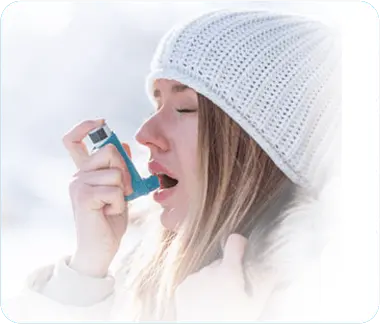
Asthma is a chronic inflammatory disease of the airways that can cause wheezing, coughing, chest tightness, and shortness of breath.
Dr. Laura Ispas provides comprehensive asthma care for children and adults, including patients with difficult-to-control symptoms.
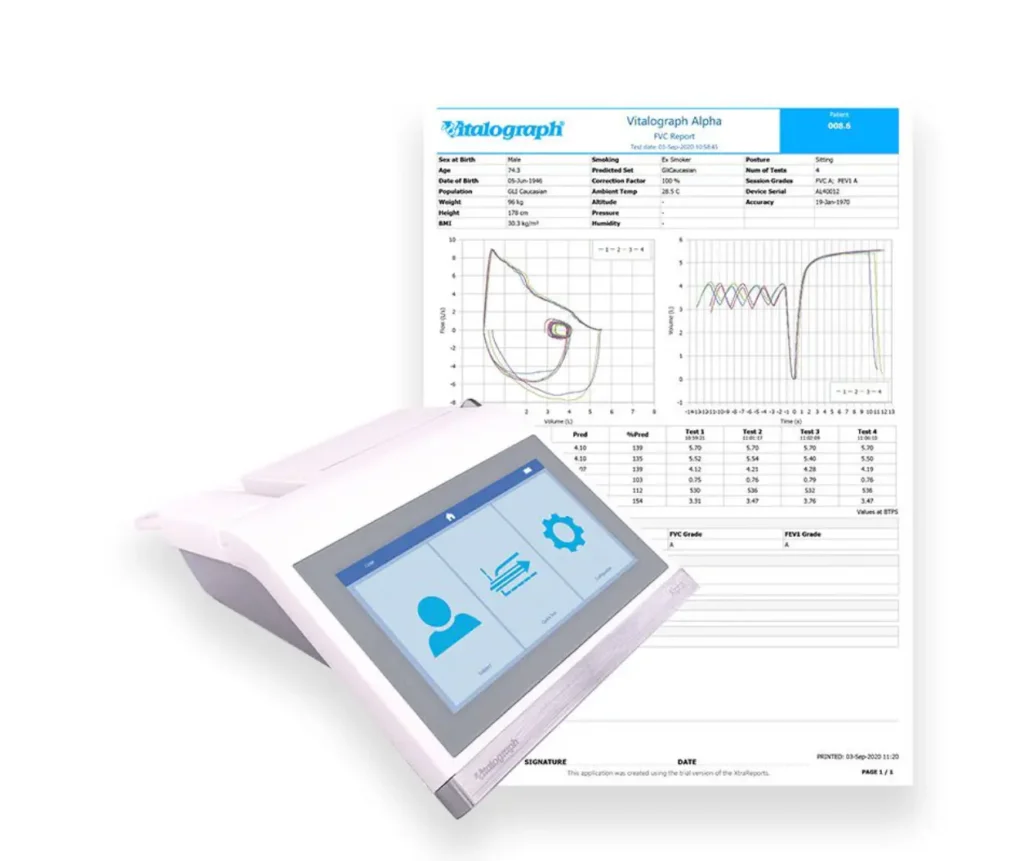
Evaluation includes medical history, pulmonary function testing, trigger assessment, and asthma control monitoring.
Treatment may include controller inhalers, rescue medications, inhaler technique education, trigger avoidance, and biologic therapies when indicated.
The goal is long-term asthma control, fewer flare-ups, and improved quality of life.
Asthma develops when airways in your lungs become inflamed and hypersensitive to airborne substances.
Three things happen that narrow your airways, block airflow, and lead to breathing problems:
Once you have asthma, your airways stay chronically inflamed, which makes you susceptible to future asthma attacks.
Asthma attacks cause:
Your asthma symptoms can appear at any time, but they’re always triggered by environmental irritants or activities.
There are several types of asthma, including:
Undergoing a breathing study is the best way to diagnose asthma. Dr. Ispas performs pulmonary function testing to determine the health of your lungs and to diagnose asthma. Two important tests are:
Dr. Ispas works with each patient to determine their specific asthma triggers. In addition to allergens and exercise, some common triggers include cold air, upper respiratory tract infections, and strong emotions.
When you have allergic asthma, Dr. Ispas performs allergy testing, then develops a customized treatment plan that may include immunotherapy (allergy shots).
Dr. Ispas may also prescribe two types of asthma medications:
If you develop wheezing, shortness of breath, or coughing, call Allergy Asthma & Immunology Institute or book an appointment online.
Common triggers include allergens like pollen and dust mites, respiratory infections, exercise, cold air, and irritants such as smoke. Identifying personal triggers is a key part of long-term control.
Diagnosis typically involves a review of symptoms and history along with pulmonary function testing, which measures how well air moves in and out of the lungs.
Asthma is a chronic condition, but with proper management many people experience long stretches with few or no symptoms. Some children see symptoms improve significantly as they get older.
A rescue inhaler provides fast relief during a flare-up, while controller medications are taken regularly to reduce airway inflammation and prevent symptoms from starting in the first place.
Some people with mild or intermittent asthma may only need treatment during flare-ups, while others benefit from daily controller therapy. An allergist can help determine the right level of treatment based on symptom frequency and severity.
Do these symptoms sound familiar? Schedule an allergy evaluation with Dr. Ispas. Book Now.

If you or your child are struggling with allergy, asthma, sinus, cough, eczema, hives, or food allergy symptoms, call or text 571-399-5132 or book an appointment on…
Flat fee for tele visits with included services: $100
19455 Deerfield Avenue, Suite 207, Leesburg, VA 20176
Monday and Thursday
9:00 AM - 6:00 PM
Tuesday, Wednesday
9:30 AM - 3:30 PM
Every other Friday
Upon Request
Monday and Thursday
9:00 AM - 6:00 PM
Tuesday, Wednesday
9:30 AM - 3:30 PM
Every other Friday
Upon Request
Directly across from Inova Loudoun Hospital, first building on Deerfield Drive on the left, with easy access from Route 7.




Copyright 2026 Allergy Asthma Immunology. All Rights Reserved.