

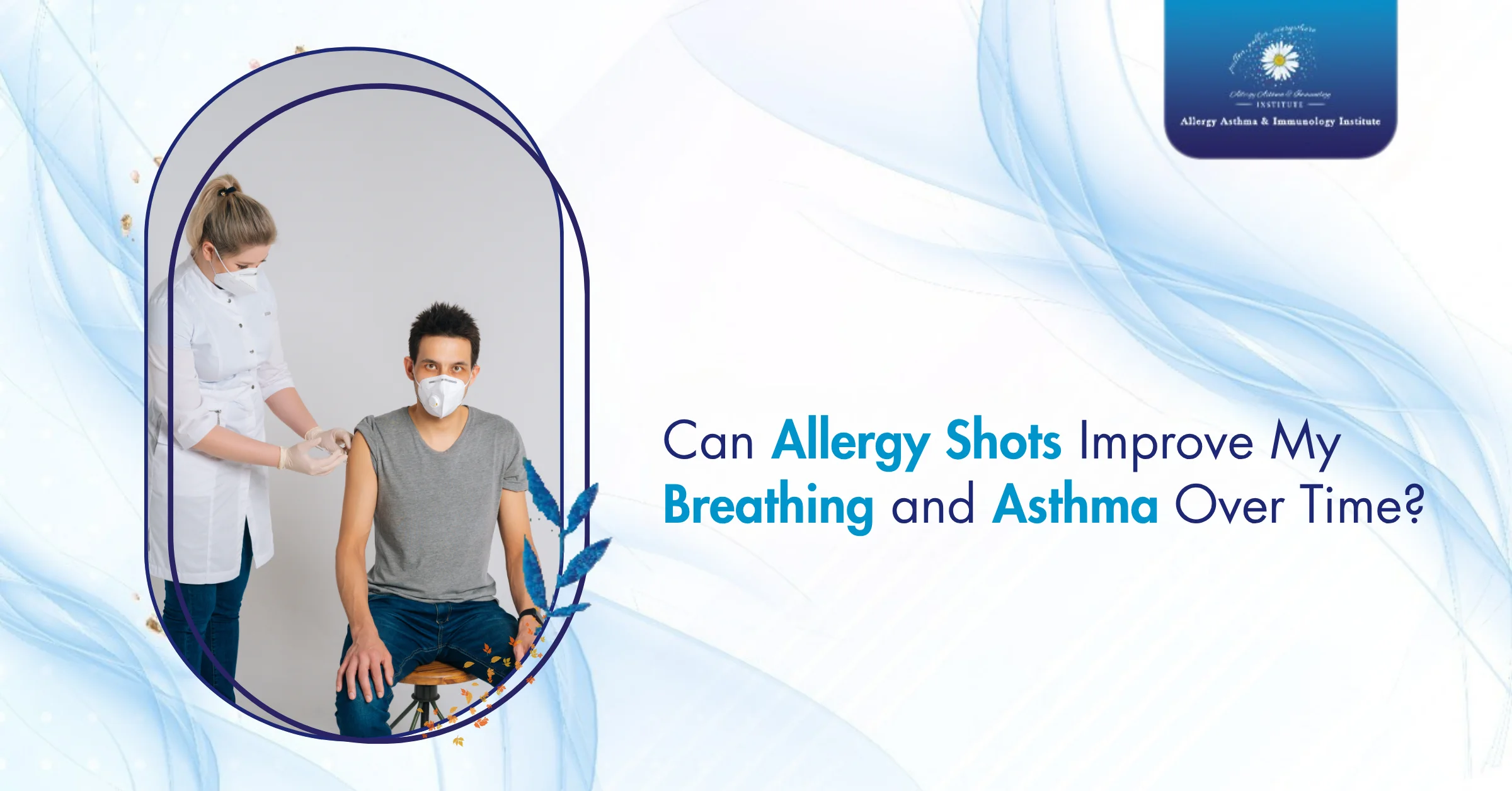
People with allergies may find it hard to breathe, cough, or wheeze. Some have asthma made worse by pollen, dust, or mold. Allergy shots are an option.
Allergy shots make the body’s immune system less sensitive to allergens. They are used by the Allergy Asthma & Immunology Institute. They help with allergic reactions. They also assist with asthma and skin issues in both adults and kids.
How Allergy Shots Work
Allergy shots have tiny amounts of allergens. These include pollen, dust mites, mold, and pet hair. These doses gradually increase over time.
The goal is to help your body learn not to overreact.
This may help with:
- Sneezing
- Runny nose
- Itchy eyes
- Coughing
- Wheezing
- Chest tightness
- Trouble breathing from allergy triggers
People notice their symptoms decrease with ongoing treatment.
Can They Help Asthma?
Yes, allergy shots may help some people with asthma, especially if allergies are part of the problem.
When allergy triggers are lower, the lungs may feel calmer. This can mean:
- Less coughing
- Less wheezing
- Fewer flare-ups
- Easier breathing
- Better control during allergy season
This does not mean allergy shots cure asthma. But they may help lower the number of bad days. They may also help some people who need less rescue medicine over time, when a doctor says it is safe.
Allergy shots may be a good choice when:
- Asthma is linked to allergies
- Usual medicine does not help enough
- Symptoms keep coming back
- Triggers are hard to avoid
What Changes Over Time?
Allergy shots do not work right away. They take patience. Some people start to feel better in a few months. For others, it may take longer.
Over time, you may notice:
- Less nose and eye allergy trouble
- Fewer asthma flares
- Better sleep
- More comfort during pollen season
- Greater ability to participate in daily activities without symptoms
A big part of success is staying on the plan. The shots are given on a regular schedule. This helps the body keep learning.
Who May Benefit Most?
Not everyone with allergies or asthma needs allergy shots. But they may help people who have strong symptoms that keep coming back.
You may be a good match if you:
- Have allergies that are not well controlled
- Have asthma that gets worse from allergies
- Take medicine, but still have symptoms
- Want a long-term plan
- Have clear triggers like dust, pollen, or pets
Dr. Laura Ispas has 25 years of experience. She gives personalized care for allergies. She also treats asthma and immune issues at the Allergy Asthma & Immunology Institute.
What Happens Before Starting?
Before allergy shots begin, the doctor checks your health and finds out what is causing the symptoms. Skin testing may be used to help find your triggers.
This step is important because it helps build the right treatment plan.
The visit may include:
- A health history
- Questions about breathing problems
- A look at your allergy symptoms
- Skin testing
- A review of current medicine
This helps the doctor decide if allergy shots are a good fit or if another plan is better.
What To Expect During Treatment
Allergy shots are usually given in a clinic. You come in for your shot, then stay for a short time so the team can watch for a reaction.
The process is simple:
- You get the shot
- You wait a little while
- You go home after the visit
- You return on the set schedule
At first, shots may be more often. Later, they are usually spaced out more.
It is important to keep your visits as planned. Missing many shots can slow progress.
Safety and Care
Allergy shots are safe for many people, but they must be given the right way. That is why medical supervision matters.
A doctor may not suggest allergy shots if:
- Asthma is not well controlled
- A person has certain health risks
- The body may not respond well to this type of care
This is one reason why expert care is helpful. Allergy Asthma & Immunology Institute focuses on precise diagnosis and personal care, especially for people who do not get enough help from standard treatments.
Other Services That Can Help
Allergy shots are only one part of care. Sometimes, breathing problems are linked to more than one issue.
The clinic also helps with:
- Allergies
- Asthma
- Food allergies
- Eczema
- Skin testing
This full care approach matters because better allergy control can also support better breathing and better daily comfort.
Simple Ways to Support Your Breathing
Even while getting allergy shots, good habits can help.
Try to:
- Keep windows closed during high pollen days
- Wash bedding often
- Keep dust low in the home
- Avoid smoke
- Follow your asthma medicine plan
- Track what makes symptoms worse
Small steps can work well with treatment.
When To Talk to a Specialist
Contact an allergy and asthma specialist. Do this if breathing is hard. This is important, even if you take medication. If your allergies keep troubling your chest, get help.
A specialist can help you understand:
- What is causing your symptoms
- Whether allergy shots may help
- How to manage asthma better
- Which triggers to avoid
Final Thoughts
Allergy shots can help some people breathe easier. They can reduce future asthma problems and offer lasting relief with proper use.
Allergies can make asthma harder to manage. A full exam and tests can help find the best treatment. Many potential patients are getting plans that meet their needs. This helps them breathe easier over time at the Allergy Asthma & Immunology Institute.
FAQs
Q. How long do allergy shots take to work?
They do not work right away. Some people feel better in a few months. Others need more time.
Q. Are allergy shots safe?
They are safe for many people when given by a doctor. A specialist checks to see if they are a good fit.