

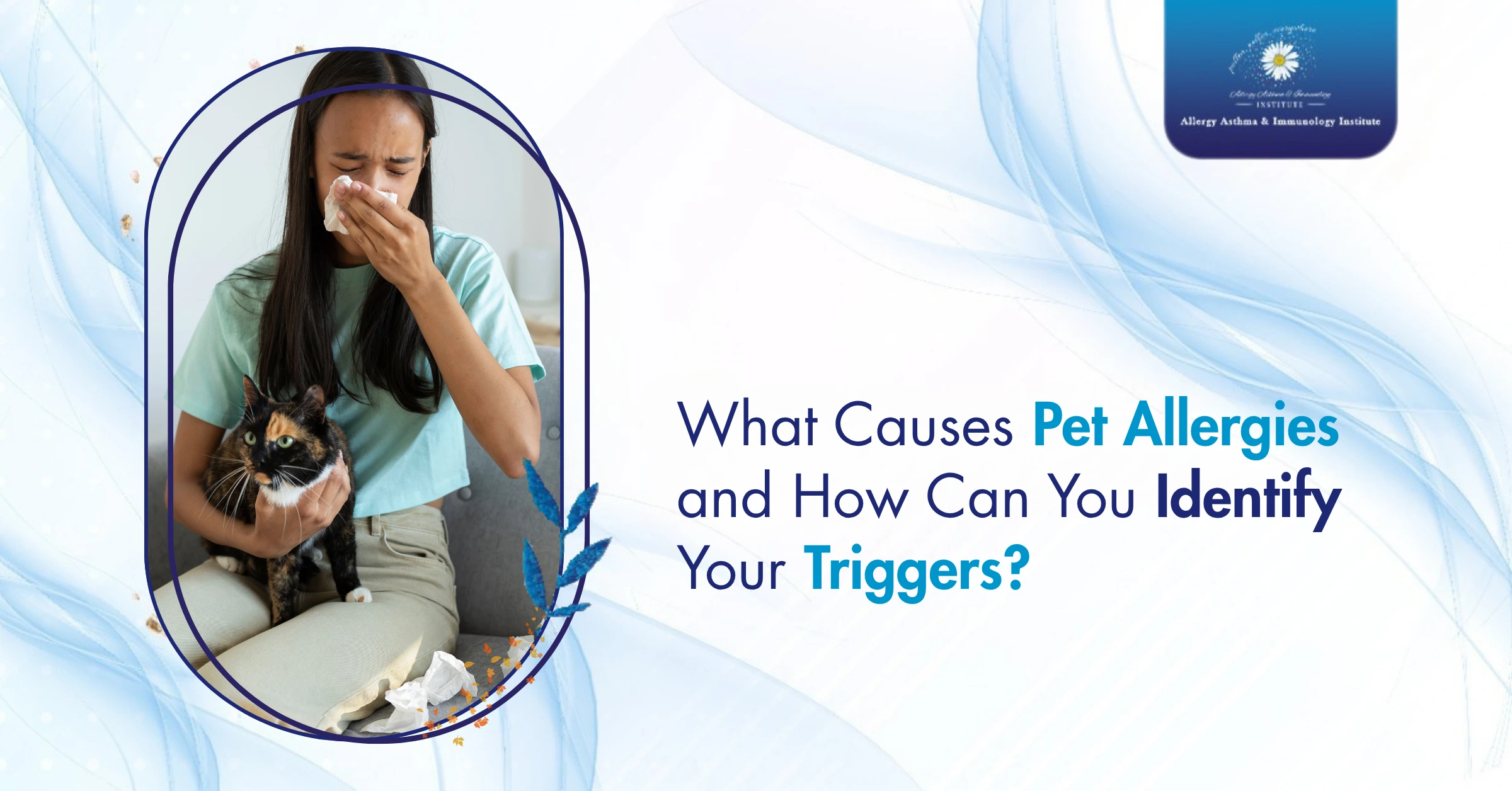
Sneezing happens to the best of us when we visit a friend who has a pet. You walk through the front door and out of nowhere your nose starts running and your eyes get red and itchy. If they have a cat or dog, you may know immediately what’s wrong because you’re having an allergic reaction. Millions of people love animals (and who can blame them?), but they just can’t be around them without getting sick. Pets make great companions that bring joy to a home, but if you have pet allergies, they also bring a whole lot of sniffles.
What’s going on here? One very common myth is that thick pet fur is the main problem. The truth is a bit different and it might surprise you. Let’s take a look at what pet allergies really are and how you can discover your triggers today.
Proteins, that is the real reason you feel sick. Your body wrongly attacks harmless proteins hidden in a pet’s dead skin flakes, saliva, and urine (not their actual fur). How do you find your exact triggers? Track your daily health in a simple journal. Note where you sneeze the most. Then, visit a doctor for a fast skin test to know for sure.
The Real Causes of Pet Allergies
Allergies are when your immune system goes into overdrive attacking something that is completely harmless. Imagine a hyperactive security guard. His job is to protect you from bad bacteria. But he often makes mistakes. Sees normal things and violently attacks them as dangerous invaders. Huge mistake. In confusion, your body dumps special defense chemicals into your blood. These are called histamines. That’s why we experience the classic allergy symptoms of a runny nose and itchy eyes.
What is the real intruder when discussing our own pets? Surprisingly, it is almost never the fur. Countless dog owners believe that choosing non-shedding breeds will prevent their allergies from acting up. They are wrong. Hair itself is practically innocent here. Your system reacts too strongly to strange proteins that are inside and on the outside of your furry friend.
Here are the top common sources of pet allergens:
- Dander: These are microscopic skin flakes. Pets shed them daily. This material is extremely lightweight, allowing it to remain airborne for an extended period before landing on your carpets, furniture and freshly laundered clothes.
- Saliva: Cats and dogs clean themselves constantly by aggressively licking their fur. They leave wet saliva everywhere behind. Once dry, those specific proteins take flight. You simply breathe them in effortlessly by strolling casually across the large bedroom.
- Urine: It packs allergens, too. This becomes a massive headache (especially with tiny pets like gerbils or hamsters) kept permanently indoors inside small, poorly ventilated animal cages.
Common Signs of a Pet Allergy
Wondering if that new cat or dog is actually making you sick? Symptoms hit fast, though some delayed reactions (like sheer fatigue) take hours to finally crush you. Look out for these six very common warning signs:
- Sneezing, relentlessly and constantly, all through the endless day
- A blocked or leaking nose stealing your ability to smell
- Bright red, itchy eyes crying for no good reason
- Coughing loudly or wheezing deeply when you simply try breathing
- A terribly heavy, tight ache in your chest
- Sudden hives or rashes appearing exactly where you were touched
If you have asthma, pet allergies will rapidly make things so much worse. You could suddenly find yourself unable to breathe, a genuinely terrifying feeling that absolutely needs immediate medical attention.
How Can You Identify Your Triggers?
Guessing is what most people do when they feel sick, usually assuming that the family dog is the main problem. But guessing is never enough because you need to know exactly what is causing your symptoms. You could be allergic to the dog, or you could be allergic to the dust mites living in the dog’s soft bed. You might even be reacting to tree pollen trapped deep inside the dog’s fur! Here are a few simple steps you can take at home to spot your triggers.
Keep a Daily Symptom Journal
Write down exactly how you feel. Record every cough, logging sudden sneezes as they strike throughout your day. When do they hit? Where are you standing? Maybe you just petted a dog, or perhaps you collapsed onto the sofa that your cat claims all afternoon (we all know the spot). A solid journal exposes hidden patterns, helping you clearly spot the real issue.
Notice Your Indoor Environment
Pay close attention to where you feel worst. Do you sneeze relentlessly inside the living room? Or do you wake up completely congested every single morning? Sometimes, banishing a pet from your bedroom for a few short weeks can finally prove if they cause your nasty nighttime cough.
Stop Guessing and Get Tested
Journals are helpful for your daily life, but the only way to know for sure is to see a doctor. You need proper allergy testing from an expert and this is exactly where the Allergy Asthma & Immunology Institute comes in. Located in Leesburg, Virginia, the clinic provides expert care for children and adults. Dr. Laura Ispas has over 25+ years of experience treating people just like you and she focuses on finding the root cause of your problem.
What Is Skin Testing?
Skin allergy testing is remarkably swift and entirely safe. A doctor simply applies microscopic amounts of various common triggers, perhaps dog dander, dust mites, or pollen, straight to your bare arm. Just a few minutes pass. If a small, itchy red bump (resembling a normal mosquito bite) surfaces, you undoubtedly have an active allergy to that one specific, isolated item tested today.
Finding the Right Treatment Plan
Identifying your triggers is power. The Allergy Asthma & Immunology Institute provides multiple pathways to finally bring you sweet relief. Since your body is entirely unique, your healing strategy should completely reflect that. Here is exactly how we can successfully treat pesky pet allergies:
- Custom Action Plans: Dr. Ispas teaches you exactly how to manage your home. Safely removing hidden dander becomes incredibly easy right now.
- Modern Medicines: Get the right prescription drops, nasal sprays, or daily pills you really need.
- Allergy Shots: These special shots are made in the clinic and gradually add small amounts of allergens to your body. Eventually, your resilient immune system builds up an incredibly strong physical tolerance.
- Advanced Biologic Therapy: Got severe allergic asthma? Fresh treatments can literally save your life because they strictly target the specific cells driving all that painful swelling deep within your lungs.
Breathe Easier Today
Allergies brutally isolate you from friends. They turn every single day into a foggy, exhausting struggle. You constantly feel sick. Tired. But you do not have to suffer this way forever.
Take back control of your health. If you suspect that pets (yes, even yours) are the hidden trigger making you miserable, get real help today. Breathe freely, feel like yourself again.
Contact the Allergy Asthma & Immunology Institute in Leesburg today to schedule an appointment with Dr. Laura Ispas. Let her team of brilliant experts test you, pinpoint your exact triggers and put together a highly targeted treatment plan made for you. Take action right now.
FAQs
Q. Why is guessing bad for allergies?
Guessing is hard and often wrong. A person might think they are allergic to a dog. But they might really be allergic to dust bugs living inside the dog’s soft bed.
Q. Why do pets make some people sneeze?
When a person has an allergy, the body gets confused. It attacks safe things. It acts like the pet is a bad germ. This makes the nose run and eyes water.