

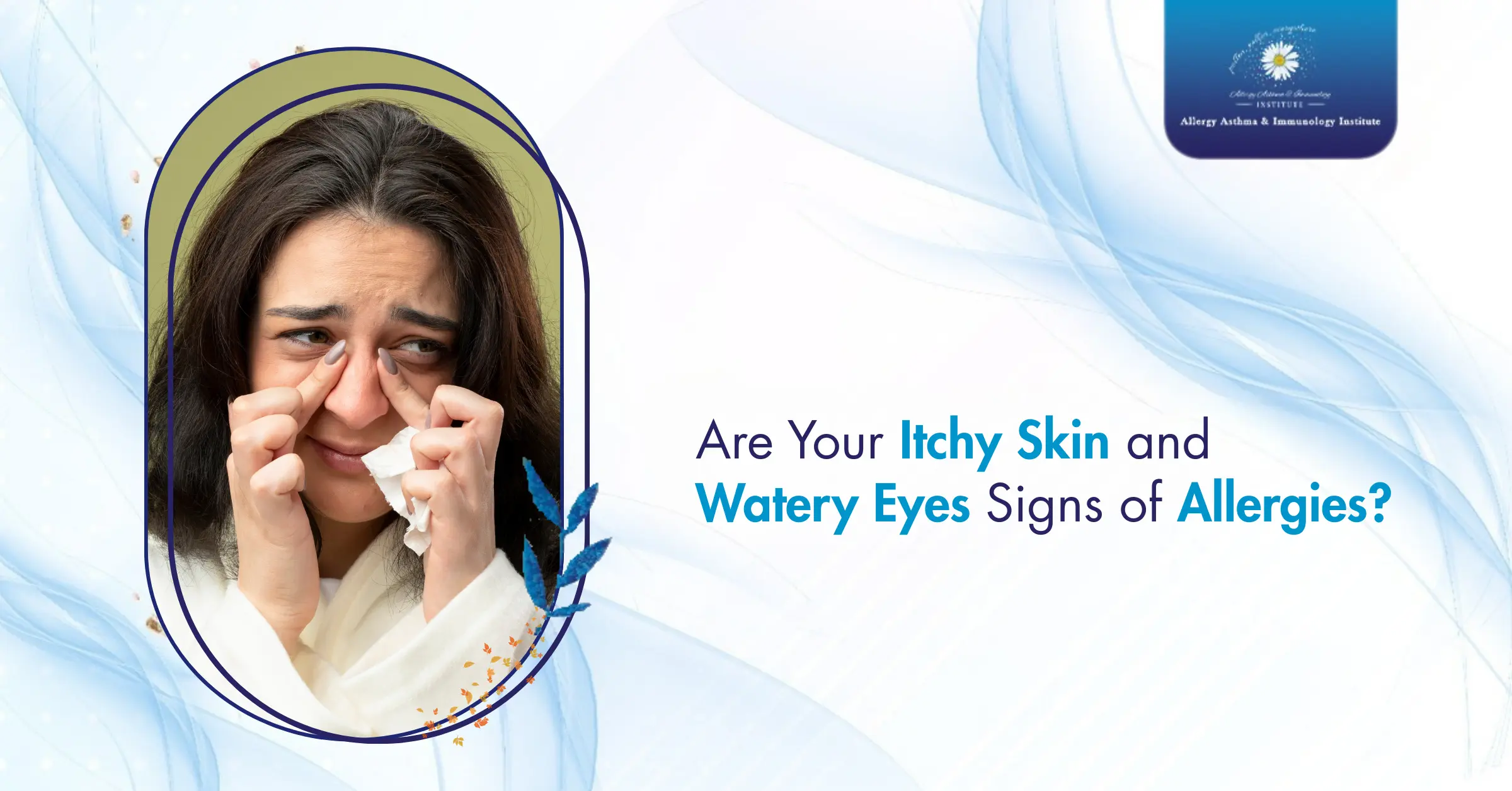
Scratchy skin is uncomfortable. Itchy eyes are annoying. Both can lead to distress. They can also make you feel worn out and unhappy, often leading to allergies and fatigue.
These signs are apparent to many people, and they ask themselves, is this an allergy? We have here a plain language account of allergies and how to know if I have an allergy. We also inform you about the assistance of our clinic.
What Are Allergies?
Allergies occur when the body perceives a harmless thing to be a problem. The army of the body (the immune system) fights that safe thing. This struggle causes sneezing. It can also make your eyes itch. You might have itchy skin and allergies, too. Allergies usually come from common triggers. These are particles like dust, pollen, pet hair, certain food items, and mold.
Common Signs of Allergies
These are the basic signs of eye allergies to be observed:
- Runny or stuffy nose.
- And red, watery, or itchy eyes.
- Itchy skin or rashes.
- Sneezing a lot.
- Wheeze or cough (in certain individuals).
Itchy skin can make your eyes water. This may be due to allergies.
Why Do Eyes Get Watery and Skin Get Itchy?
Histamines are chemicals. The body makes them to fight allergens. Histamines cause little leakage of tiny blood vessels. This causes the eyes and the skin to become watery and itchy. These watery itchy eyes are an attempt by the body to dispose of the thing that it believes is evil.
The eyes are gritty or stingy sometimes. The skin can get red or bumpy. These feelings may occur rapidly following exposure to an allergen, or may be slow and last long.
Simple Things You Can Do at Home
If you are looking for how to cure burning watery eyes, try these easy steps to feel better:
- Wash your face and hands after playing outside.
- Keep windows closed on high pollen days.
- Use a clean, damp cloth to wipe your eyes gently.
- Use mild soap and water for itchy skin.
- Avoid rubbing your eyes or skin a lot. Rubbing can make things worse.
If pets cause the problem, try to keep them out of the bedroom. Wash bedding more often. These steps help many people feel better quickly.
When to See a Doctor
See a doctor if:
- Your eyes or skin stay itchy for many days.
- You have trouble breathing or your chest feels tight.
- Your skin has big red patches, or it bleeds.
- Home steps do not help.
A doctor can check the different levels of allergies and determine if they cause your problems. They can give a plan to help you feel better.
How We Help at Allergy Asthma & Immunology Institute
We help kids and adults with allergies. We check what makes your body react. Here is what we do for you:
- Allergy testing. We use safe skin tests to find the things that cause your allergy.
- Asthma care. If you have wheeze or a tight chest, we can help you control asthma.
- Allergy shots. For long-term help, we offer shots that lower your reaction to allergens over time.
- Food allergy care. We guide you on food safety and what to avoid.
- Eczema help. We give ways to calm itchy skin and heal various allergic skin conditions.
- Skin testing. This helps us find the exact triggers for your skin or eyes.
We talk in simple words. We make a plan that fits your life. We help both children and grown-ups. Reach out today.
Meet Laura Ispas, M.D
Dr. Ispas leads our care. She has more than 25 years of experience. She understands how allergies and the immune system work. She treats allergic rhinitis, asthma and hard immune problems. Dr. Ispas listens to you and answers your questions. Her care is gentle and clear. We want you to feel safe and understood.
Tests and Treatments You Might See
Here are tests and treatments the doctor may suggest:
- Skin test. A tiny drop is put on the skin. The skin may get a small bump if you are allergic.
- Blood test. This checks for allergy markers in your blood.
- Medicine. Eye drops, creams, or pills provide an itchy eyes treatment and can ease symptoms quickly.
- Allergy shots (immunotherapy). These are given over months or years to build tolerance.
- Action plan. We make a simple plan, so you know what to do at home.
How to Talk About Symptoms
You can tell a grown-up or your doctor:
- Where it itches.
- When it started.
- What happened before it started (did you go outside, eat new food, or play with a pet?).
- If anyone in your family has allergies.
Writing this down helps the doctor find the cause faster.
Caring Tips for Kids
If a child has itchy skin or watery eyes:
- Tell an adult right away.
- Use a cool, damp cloth on the eyes for comfort.
- Try a gentle soap and lotion for skin.
- Avoid scratching. Cover nails if needed.
- Follow the doctor’s simple plan.
Final Thoughts
Itchy skin and watery eyes can be signs of allergies. Many easy steps and tests can help find the cause. Simple home care helps a lot. If symptoms are strong or long, see a doctor. We at the institute are here to help children and adults feel better. We listen, test, and make a clear plan just for you.
If you want support, call us or make an appointment. We will help you find relief and feel safe again.
FAQs
Should I rub my itchy eyes?
No. Rubbing can make your eyes redder and itchier.
What can help itchy skin at home?
Wash with gentle soap and use a soft lotion. This can help calm your skin.



No comment