
Medically reviewed by Laura Ispas, MD.
This article is intended for educational purposes only and is not a substitute for an in-person medical evaluation.
When Eczema Is More Than Just a Skin Rash
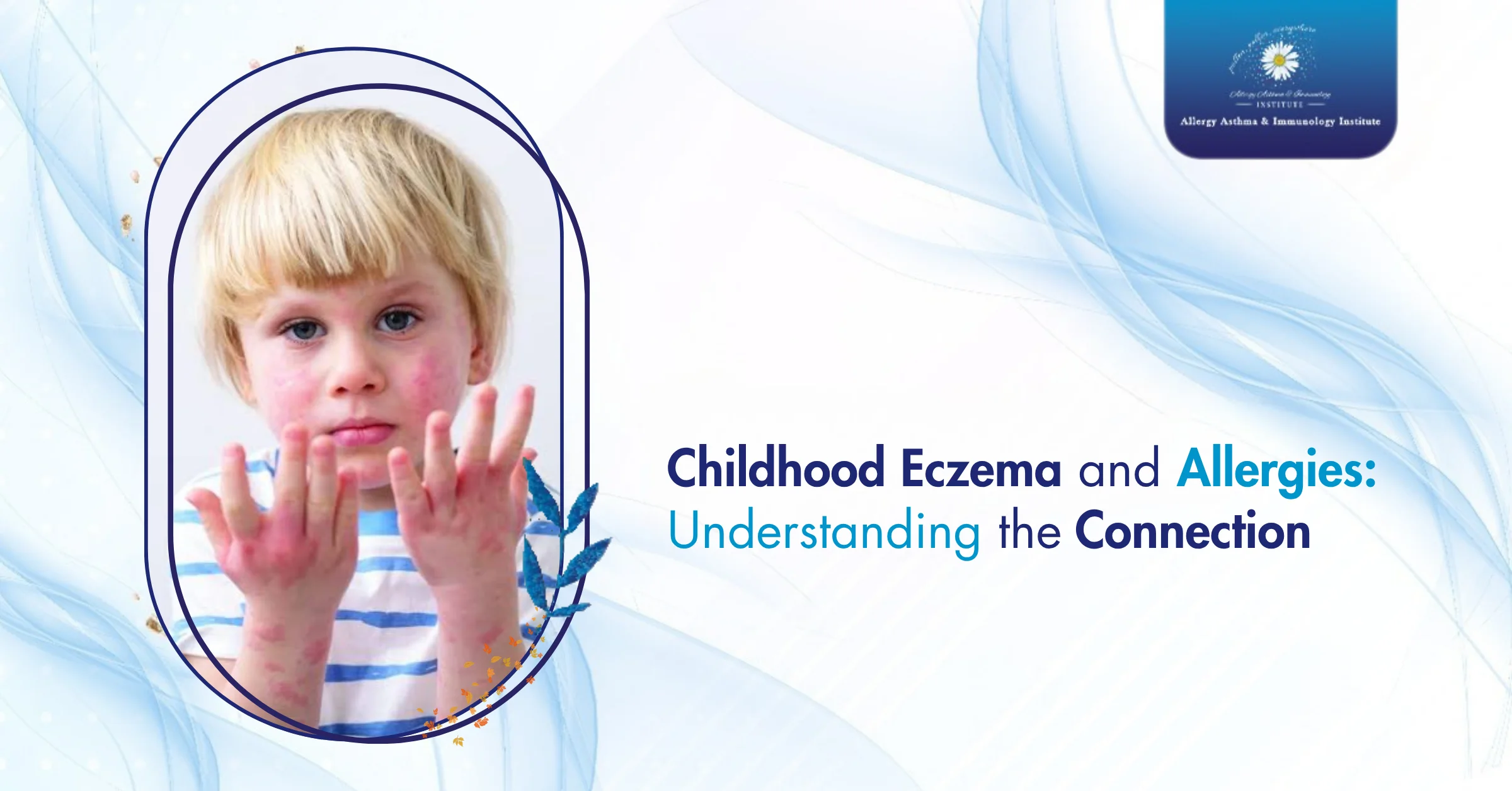
Your baby develops dry, itchy patches on the cheeks and behind the knees. Steroid cream helps for a week, but the rash returns. A few months later, your child begins wheezing with every cold. By preschool, a bite of peanut causes hives or even a trip to the emergency room. Although these may seem like unrelated problems, they are often connected.
The Atopic March
Allergists call this pattern the atopic march. Eczema often appears first during infancy, followed by food allergies, asthma, and later seasonal allergies. Not every child develops all of these conditions, but children with moderate to severe eczema are at a higher risk.
Why the Skin Barrier Matters
Healthy skin acts as a protective barrier, keeping moisture in and irritants out. In children with eczema, that barrier is weakened, allowing allergens and irritants to enter through inflamed skin. This can increase the likelihood of allergic sensitization and may contribute to the development of food allergies and asthma in susceptible children.
Research continues to improve our understanding of this process, but protecting the skin barrier early is now recognized as an important part of eczema management.
Why Early Treatment Matters
Not every child with eczema will develop asthma or food allergies. However, infants with persistent or severe eczema have a greater likelihood of developing additional allergic conditions. Early diagnosis, consistent skin care, and good control of eczema may help reduce complications and improve long-term outcomes.
Introducing Allergenic Foods
Current guidelines recommend introducing common allergenic foods, such as peanut and egg, around 4 to 6 months of age in infants with severe eczema, after appropriate evaluation when indicated. Early introduction has been shown to reduce the risk of developing food allergies.
Watching for Signs of Asthma
If your child begins coughing at night, wheezing with colds, or becoming unusually short of breath during play, these symptoms deserve prompt medical evaluation. An allergist can determine whether these symptoms represent early asthma and recommend appropriate testing and treatment. Likewise, hives, swelling, vomiting, or other reactions after eating a new food should be evaluated rather than managed by avoiding foods without a diagnosis.
Treatment Has Improved
Treatment options for eczema have advanced significantly. In addition to moisturizers and topical corticosteroids, newer non-steroidal creams, topical calcineurin inhibitors, barrier repair therapies, and biologic medications have greatly improved outcomes for children with moderate to severe eczema. Early treatment helps improve quality of life and may reduce complications associated with uncontrolled inflammation.
When to See an Allergist
If your child has persistent eczema, food reactions, recurrent wheezing, or seasonal allergies, an evaluation by an allergy specialist can help identify underlying triggers and develop a personalized treatment plan. Early diagnosis and treatment may improve both skin health and long-term allergic outcomes.
About Dr. Laura Ispas
Laura Ispas, MD, has more than 25+ years of experience diagnosing and treating eczema, food allergies, asthma, and other allergic diseases in children and adults. At the Allergy, Asthma & Immunology Institute in Leesburg, Virginia, she provides comprehensive, individualized care focused on improving long-term health and quality of life.