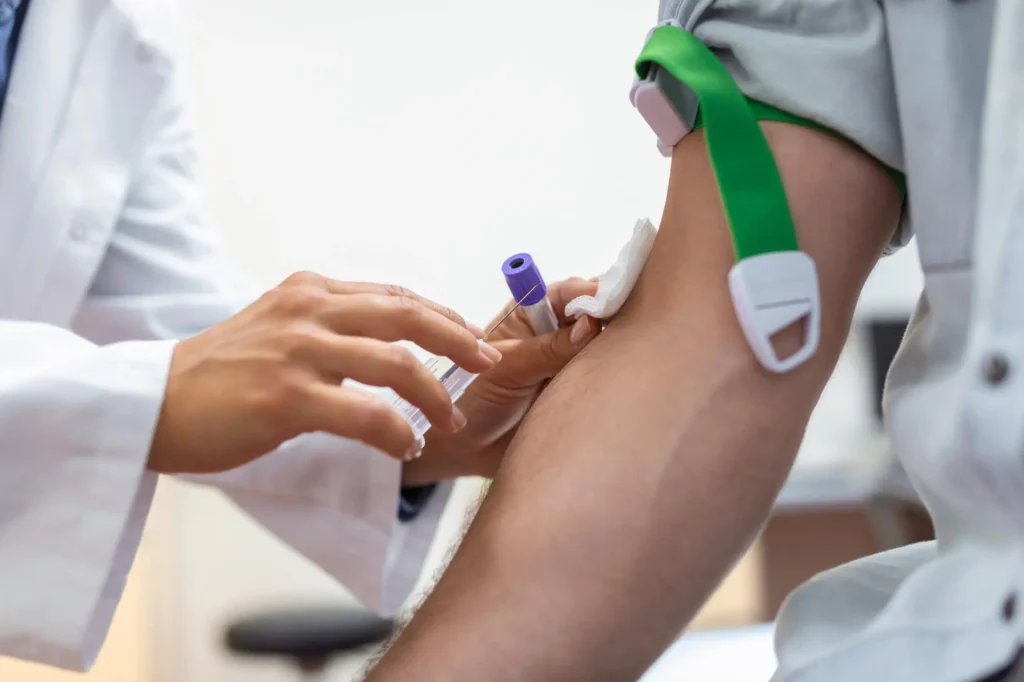
Immunodeficiency disorders occur when the immune system is unable to function properly, reducing the body’s ability to fight infections and respond effectively to illness. A healthy immune system protects against bacteria, viruses, fungi, and other harmful pathogens. When immune defenses are weakened or absent, even common infections can become frequent, severe, or difficult to treat.
Immunodeficiencies may be present from birth or develop later in life. Early recognition and accurate diagnosis are essential to prevent long-term complications and protect overall health.
Primary Immunodeficiencies
Primary immunodeficiencies are usually inherited and caused by genetic abnormalities that affect immune system development or function. These conditions often appear in childhood but may not be diagnosed until adolescence or adulthood, especially in milder cases.
Primary immunodeficiencies may involve:
Antibody deficiencies
Cellular immune defects
Combined immune system disorders
Secondary Immunodeficiencies
Secondary immunodeficiencies develop as a result of external factors that weaken the immune system. These are more common than primary disorders and can occur at any age.
Common causes include:

Chronic illnesses
Autoimmune diseases
Certain medications such as chemotherapy or immunosuppressants
Nutritional deficiencies
Infections that affect immune function
Immunodeficiency disorders often present with patterns rather than isolated symptoms. Recognizing these patterns helps guide appropriate evaluation.
Common warning signs include:
Frequent infections requiring repeated antibiotics
Infections that are unusually severe or slow to resolve
Recurrent sinus, ear, lung, or skin infections
Poor response to standard treatments
Chronic fatigue or unexplained illness
Family history of immune disorders
Children and adults may experience different symptoms, but persistent or recurrent infections are a key indicator at any age.
Diagnosing an immunodeficiency requires a thorough and methodical approach. Evaluation begins with a detailed medical history, including frequency and severity of infections, past treatments, and family history.
Diagnostic testing may include:
Blood tests to measure immune cell levels
Antibody and immunoglobulin assessments
Vaccine response testing
Additional specialized immune function studies
Accurate diagnosis helps determine the type and severity of immune dysfunction and guides effective treatment planning.
Management of immunodeficiency focuses on strengthening immune protection, preventing infections, and improving quality of life. Treatment plans are individualized based on the specific diagnosis and patient needs.
Common Treatment Approaches
Preventive strategies to reduce infection exposure
Targeted antibiotic therapy when infections occur
Immunoglobulin replacement therapy for antibody deficiencies
Vaccination guidance and immune monitoring
Coordination with other specialists when needed
Regular follow-up ensures that treatment remains effective and adapts to changes over time.
With appropriate medical care and monitoring, many individuals with immunodeficiency disorders lead full, active lives. Ongoing communication with your healthcare provider ensures timely adjustments to treatment and proactive infection management.
Supportive care, education, and long-term planning empower patients and families to manage immune conditions confidently.
If you or your child experience frequent infections, poor response to treatment, or symptoms that raise concern for immune dysfunction, a comprehensive evaluation is essential. Early diagnosis allows for effective management and long-term protection.
Contact our office today to schedule an appointment and take the next step toward stronger immune health.
Flat fee for tele visits with included services: $100
(571) 399-5132
Fax
(703) 723-9800
19455 Deerfield Avenue, Suite 207, Leesburg, VA 20176
Monday and Thursday
9:00 AM - 6:00 PM
Tuesday, Wednesday
9:30 AM - 3:30 PM
Every other Friday
Upon Request
Monday and Thursday
9:00 AM - 6:00 PM
Tuesday, Wednesday
9:30 AM - 3:30 PM
Every other Friday
Upon Request
Directly across from Inova Loudoun Hospital, first building on Deerfield Drive on the left, with easy access from Route 7.
Copyright 2026 Allergy Asthma Immunology. All Rights Reserved.