
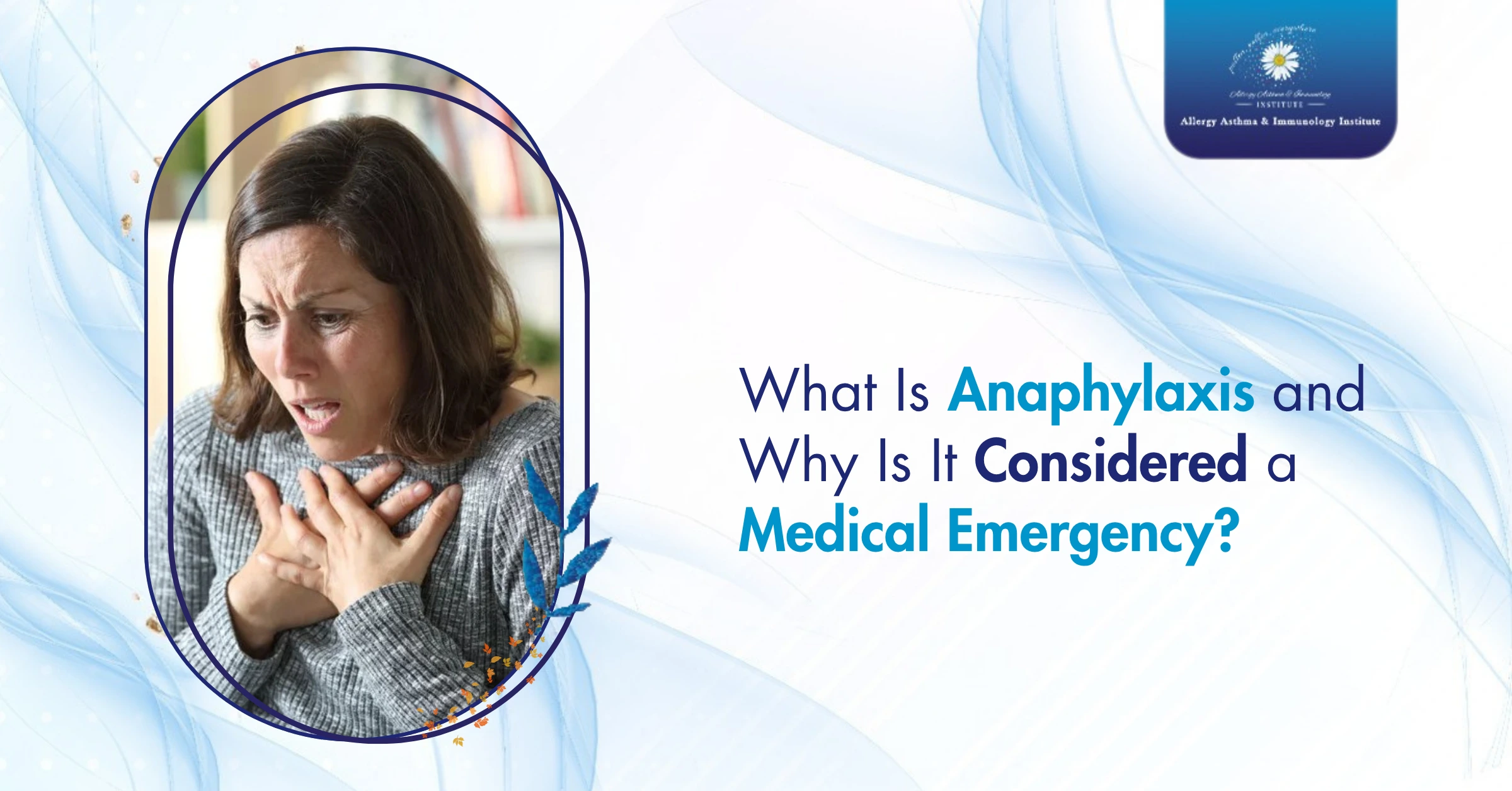
Anaphylaxis is a critical allergic response. It can start fast. It can sometimes deteriorate rapidly. This makes it a medical emergency.
Some individuals will appear healthy initially and then very ill and unwell. The body may react to food, health products, or insect bites. Get help immediately if this happens.
What Is Anaphylaxis?
Anaphylaxis isn’t just a mild allergy, it can affect the skin, lungs, throat, stomach, and blood flow.
Some people may get a rash. Some may experience difficulty breathing. Some might feel weak or dizzy. Some may pass out. It’s a reaction that might manifest differently in each individual.
Children, the young, and the adult population can suffer from anaphylaxis. Allergies can happen again to someone who has had one before, and they can also occur in people who do not know they have an allergy.
What Can Cause It?
Lots of other things can cause anaphylaxis. There are some common causes:
- Peanuts
- Tree nuts
- Milk
- Eggs
- Shellfish
- Fish
- Some medicines
- Insect stings
- Latex
Sometimes, the cause is already known. Other times, even the initial cause is not immediately obvious. This is why it is important to care for your allergies.
What Does It Feel Like?
Anaphylaxis may begin with small signs. Then it can grow into a life-threatening problem.
A person may have:
- Itchy skin
- Hives
- Swelling of the lips or face
- A tight throat
- Wheezing
- Trouble breathing
- Coughing
- Belly pain
- Throwing up
- Feeling dizzy
- Fainting
A person may also feel like something is wrong, even before the signs look serious. For example, if your throat tingles after eating, that early warning feeling should not be ignored.
Why Is It So Dangerous?
Anaphylaxis is dangerous because it can block breathing. It can also make blood pressure drop too low. When that happens, the brain and body do not get what they need.
This can lead to shock. While people often wonder, do people die from anaphylaxis, the stark reality is that it absolutely can lead to death if care is delayed.
The frightening aspect is the speed at which it can occur. A person can go from “okay” to very sick in minutes. That is why it must be treated right away.
What Should You Do?
If you think someone has anaphylaxis, do not wait.
Do this right away:
- Use epinephrine if it has been prescribed.
- Call 911 right away.
- Stay with the person.
- Lay them down if they feel weak, unless breathing is easier sitting up.
- Go to the hospital, even if they feel better, to monitor for a delayed or rebound allergic reaction.
Epinephrine is the main medicine for anaphylaxis. It can help open the airways and raise blood pressure. Other allergy medicines are not enough for a severe reaction.
Why Waiting Is Not Safe
Some people think they should wait and see if the reaction goes away. That is not safe with anaphylaxis.
When questioning how long can an allergic reaction last, it is important to understand that symptoms can get worse very quickly. A throat swollen from allergies can completely block the airway. Breathing may get harder, and the person may collapse. Fast action saves lives. That is why emergency care is needed right away.
Who Is at Risk?
Anyone can have anaphylaxis. Certain individuals face a greater risk, particularly those who have:
- Food allergies
- A past severe allergic reaction
- Asthma
- Medicine allergies
- Insect sting allergies
If a person has had a bad reaction before, they should have a plan. They should also know how to use their emergency medicine.
How Can Families Stay Ready?
Families can feel more prepared when they know what to do.
Here are a few simple steps:
- Know the trigger
- Keep emergency medicine close by
- Learn how to use epinephrine
- Tell teachers, caregivers and family members
- Have an allergy action plan
It also helps to read food labels carefully. Be careful when eating outside the home. Ask questions when needed. A little planning can help lower risk.
How An Allergy Doctor Can Help
An allergy specialist can help find the cause of the reaction. They can also help make a care plan.
This may include:
- Allergy testing
- Skin testing
- Food allergy testing
- Asthma care
- Pulmonary function testing
- Treatment plans for allergies
The goal is to keep the patient safer. We also want them to know what to do next time.
The Allergy Asthma & Immunology Institute supports patients with allergies, asthma, and related issues. It provides testing, treatment, and care for severe allergies, including anaphylaxis.
When To Get Help Right Away
Get emergency help now if a person has:
- Trouble breathing
- Swelling in the throat
- Dizziness or fainting
- Blue lips
- A severe rash with other symptoms
- Symptoms worsen rapidly after triggers like food, medication, or insect stings
Do not wait for the symptoms to “settle down.” Anaphylaxis is one of those times when fast care matters most.
Final Thoughts
Anaphylaxis is a severe allergic reaction that can become life-threatening quickly. It affects breathing and blood flow, making it a medical emergency.
Be aware of the signs. Keep emergency medicine close. Seek specialist care to protect yourself and your family. Quick action is the safest action in anaphylaxis.
FAQs
Q. What should I do if someone has anaphylaxis?
Use epinephrine if it has been prescribed, call 911, and get emergency help right away.
Q. Can anaphylaxis go away on its own?
No. It should always be treated as an emergency. Waiting is not safe.