

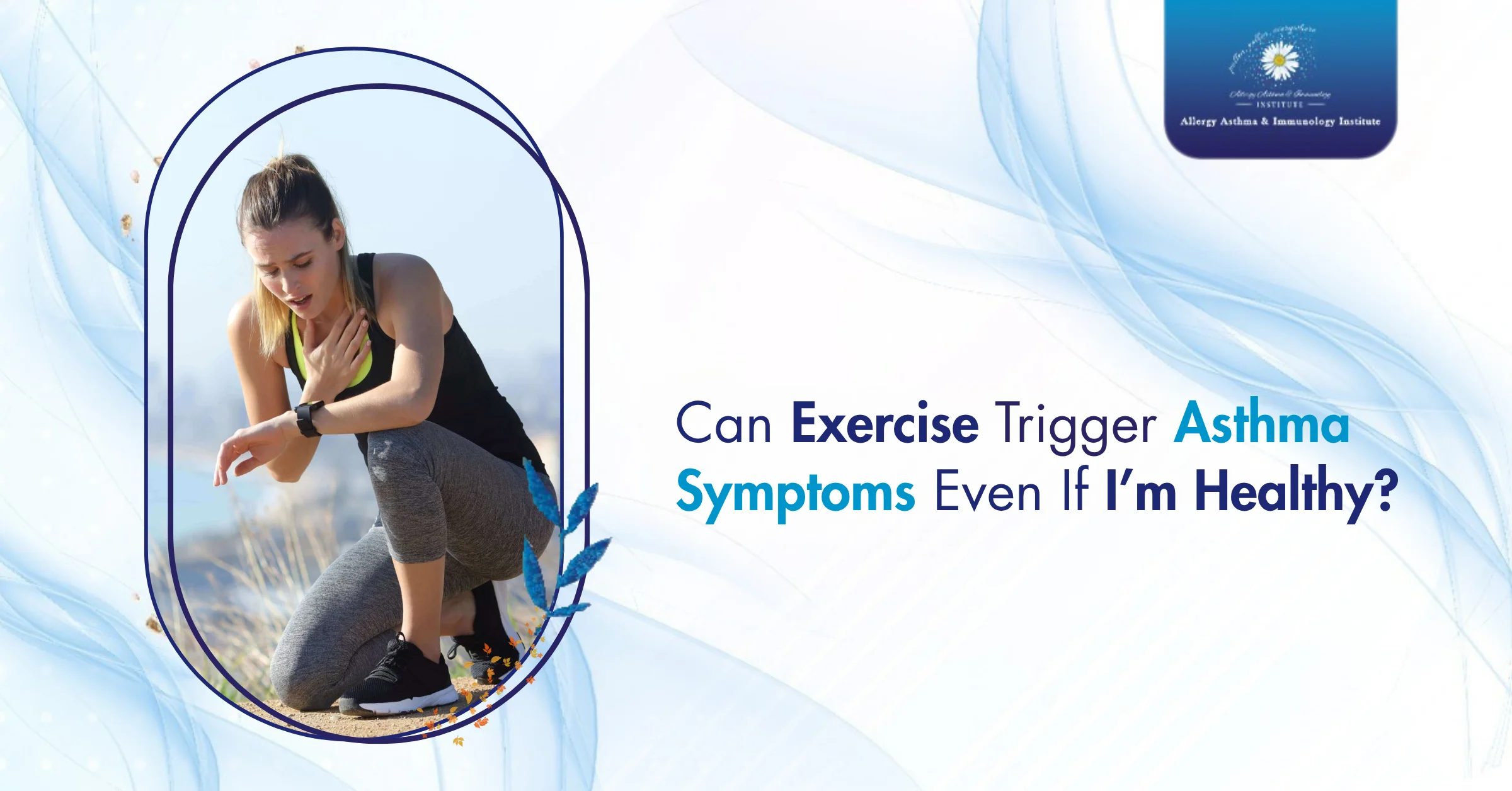
Exercise is good for your lungs. It helps your heart, too. It also supports your muscles. Some people get asthma symptoms from exercise. This can happen even if they are usually fine.
This can feel confusing. You can run, play sports, run very fast, and then begin coughing, wheezing, or have a tight feeling in the chest. It might be an odd experience when you do not experience asthma daily. Nevertheless, the workouts may occasionally cause breathing difficulties even in individuals who appear to be healthy.
Dr. Laura Ispas at Allergy Asthma & Immunology Institute assists children and adults in learning about these symptoms and making the correct choice of care. A correct diagnosis is very important. It holds significant importance.
What Happens During Exercise?
You breathe faster and deeper when you exercise. This implies that you breathe in and out more air. To others, that may cause irritation of the airways.
The airways are the small tubes that take air to your lungs. Breathing may become difficult when they become tight or swollen.
This can occur frequently when:
- The air is cold and dry.
- You are running hard.
- You are out in the pollen or dust.
- You have a history of allergies.
- You have either asthma or mild asthma.
Others have what is referred to as exercise-induced asthma or exercise-induced bronchoconstriction. This implies that exercise would temporarily narrow the airways.
Can It Happen If I Am Healthy?
Indeed, it is possible. This is true even if you feel fine.
People often don’t know they have asthma. This can happen until they exercise, play sports, or walk a long distance. Some people feel out of shape. But it might just be their lungs.
Common signs can include:
- Coughing during or after the exercise.
- Whistling, breathing (wheezing)
- Chest tightness
- Shortness of Breath
- Exhaustion that is even more serious than usual.
These symptoms can start during the exercise or some minutes later after the exercise is over. In other individuals, the symptoms improve with rest. To others, they repeatedly come back.
Why Does Exercise Trigger Symptoms?
The reasons are few and simple.
Heat and moisture are lost through the airways when breathing hard during exercise. This may cause the airways to become irritated. The problem can get worse. This is true if you’re near pollen, smoke, strong smells, or cold air.
Vigorous activity can be used to identify a latent breathing issue. An individual might not experience asthma much in their day-to-day life, and exercising can help them observe the airway changes.
Signs That It May Be More than Normal Tiredness
It is normal to breathe harder when you are active. But it is not normal to struggle every time you move.
You should pay attention to:
- You cough every time you run
- You stop sports because breathing feels hard
- You wheeze after exercise
- You feel chest pain or pressure
- You cannot keep up with normal activity because of breathing trouble
If this keeps happening, it is a good idea to get checked by an allergy and asthma specialist.
What Can Help?
The good news is that many people can stay active with the right care.
Some helpful steps may include:
- Warming up before exercise
- Avoiding very cold air when possible
- Donning a scarf across your mouth during chilly weather
- Using medicine if your doctor tells you to
- Staying away from smoke and strong triggers
- Treating allergies that may make symptoms worse
If allergies are the issue, they can be treated. This helps your breathing. That is why full care matters. Dr. Laura Ispas and our team can help you find the cause. Next, we’ll create a plan for you. This will be done at the Allergy Asthma & Immunology Institute.
When Should You See a Specialist?
You should see an allergy and immunology specialist if exercise keeps causing breathing trouble.
You may need testing if:
- Symptoms happen often
- You have allergies and breathing issues
- Over-the-counter care does not help
- You want to play sports, but breathing gets in the way
- You are not sure if it is asthma or something else
We use careful testing and personal care to learn what is happening. Dr. Laura Ispas has many years of experience helping children and adults with asthma, allergies and immune problems. Her goal is to find the right answer and help patients feel better for the long term.
Services That May Help
Our office helps with many problems that can be connected to breathing and allergies, including:
- Asthma
- Allergies
- Allergy shots
- Food allergies
- Eczema
- Skin testing
If exercise is causing symptoms, these services may help us understand whether allergies, asthma, or both are involved.
A Simple Plan to Remember
When running/exercising causes you to cough or wheeze, do not disregard it. Asthma conditions can also be experienced by healthy individuals when they are active.
A simple plan may include:
- Notice when symptoms happen
- Record the activity you were engaged in.
- Test triggering factors such as cold air or pollen.
- Talk to a specialist
- Adhere to the care plan provided.
You should not breathe life into enjoying life. Through proper assistance, a large number of individuals will be able to work out safely and feel powerful once more.
The Allergy Asthma & Immunology Institute and Dr. Laura Ispas assist with allergies. They also treat asthma.
FAQs
Does cold air make it worse?
Yes, cold and dry air can make breathing harder for some people.
What are common signs?
Symptoms include shortness of breath, tightness of the chest, wheezing, and coughing.